Glass Fiber Behind Cool Curved Building Design
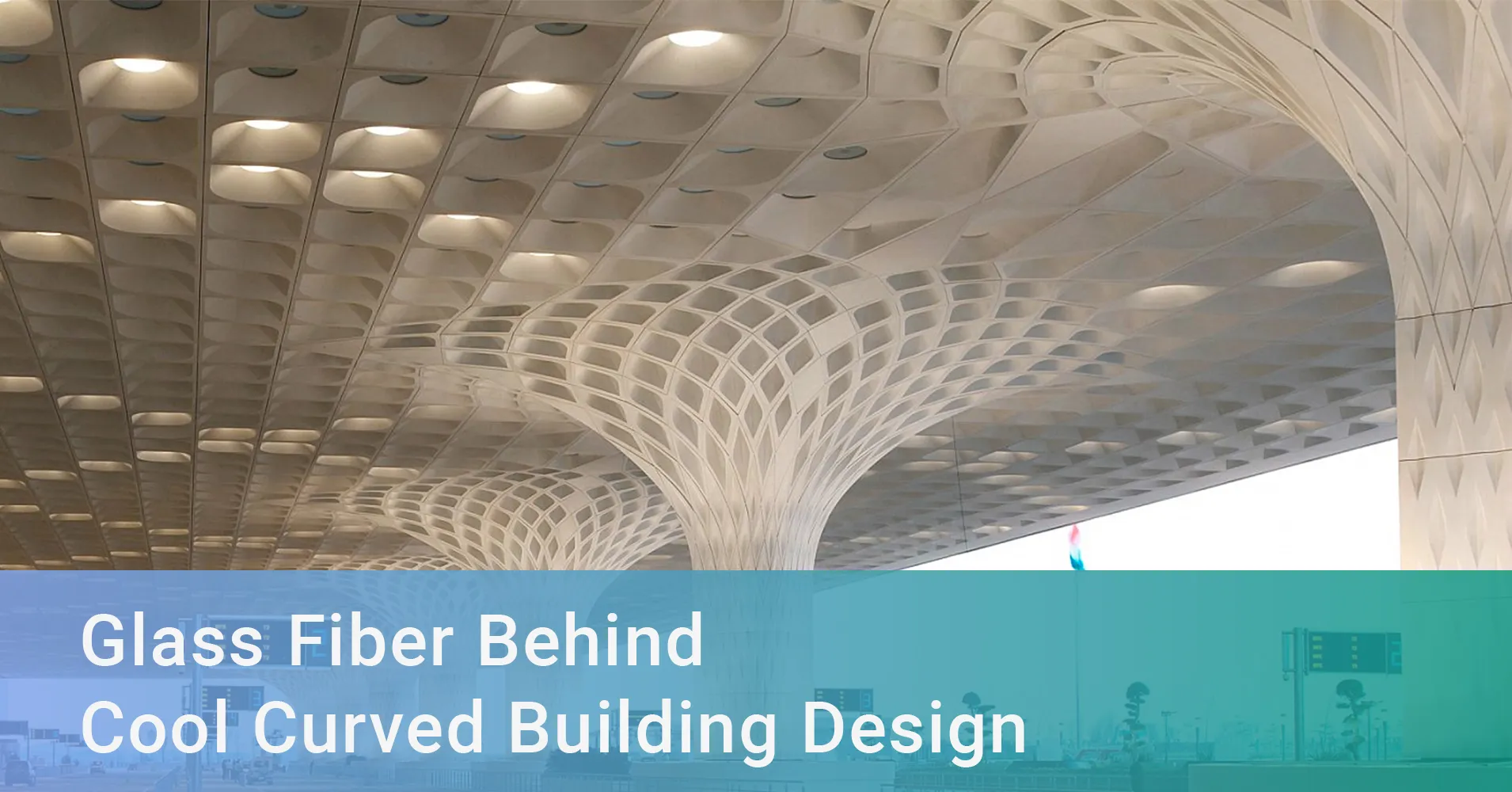


Slender, gracefully curved modern buildings that make you instinctively look up—
many people have probably wondered, “Is that really safe?”
One of the key technologies behind such architecture is Glassfiber Reinforced Concrete (GRC), a concrete material reinforced with alkali-resistant glass fibers. By mixing ultra‑fine “glass threads”—thinner than a human hair—into concrete, it becomes possible to create lightweight and slim building components that are still strong enough, enabling curved panels and complex architectural designs.
Nippon Electric Glass (NEG) develops and manufactures WizARG™, an alkali-resistant glass fiber used in GRC. As buildings continue to grow taller and infrastructure ages, WizARG™ delivers new performance benefits such as weight reduction and enhanced strength.
How are shapes that are difficult to realize with rebar alone made possible?
Let’s take a closer look.
Changing Social Background Surrounding Architecture
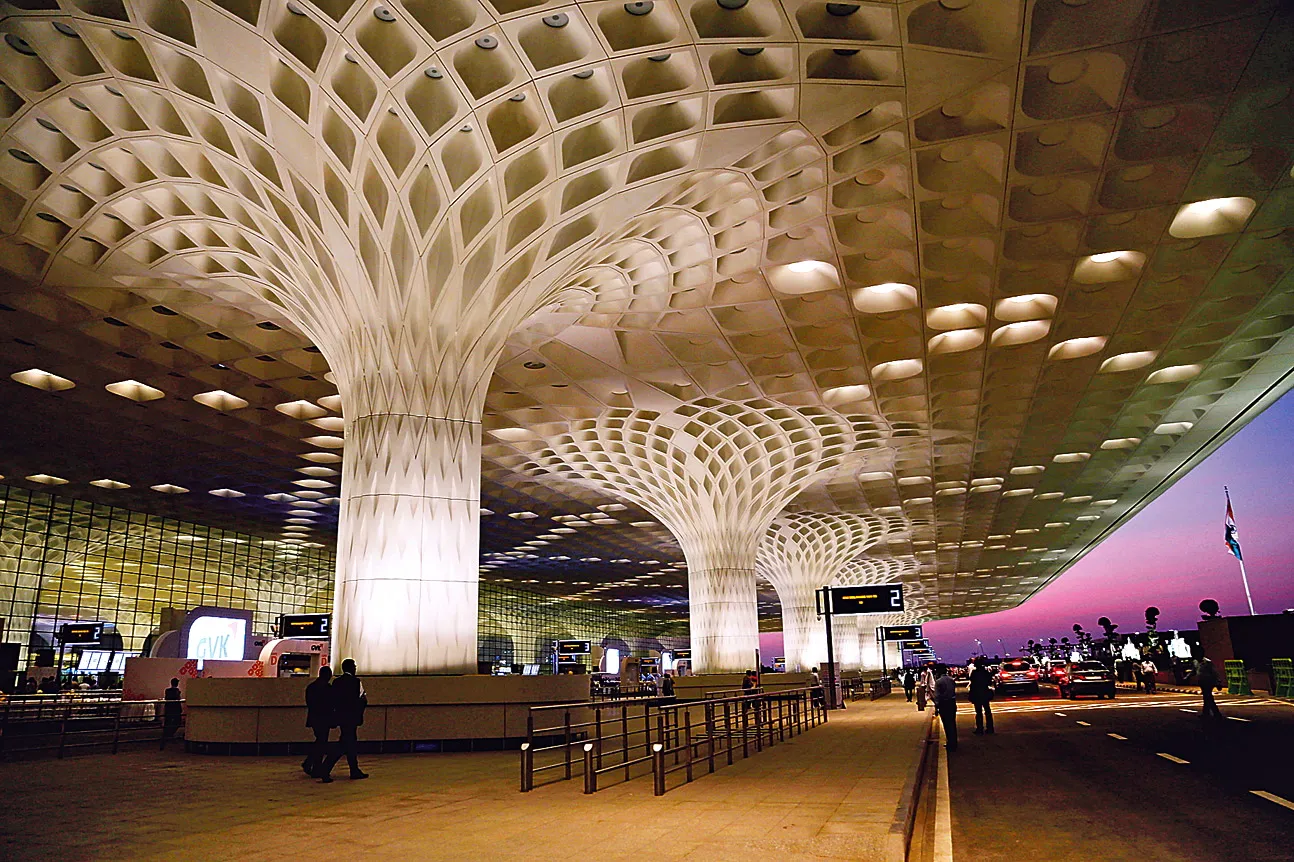
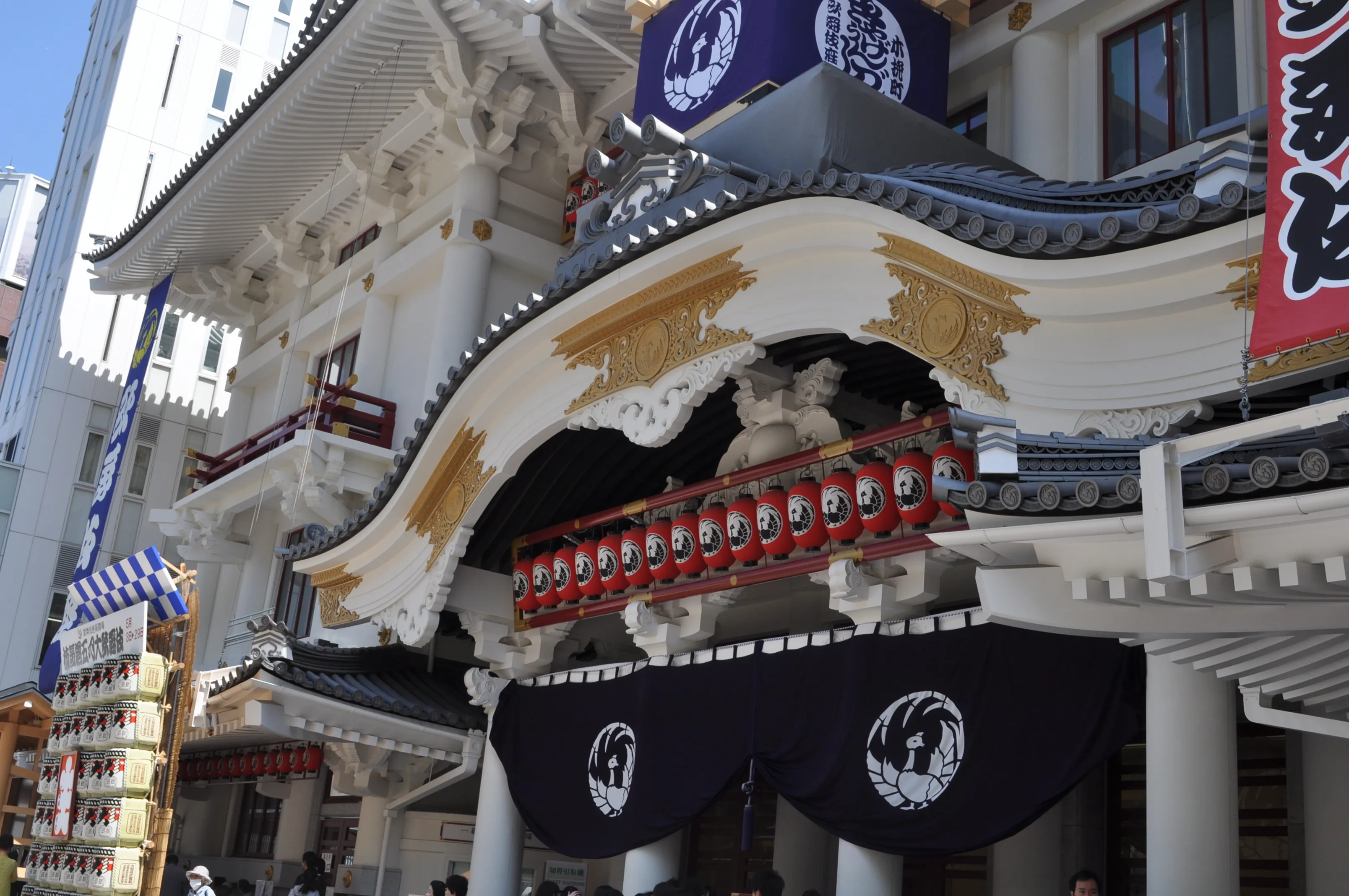
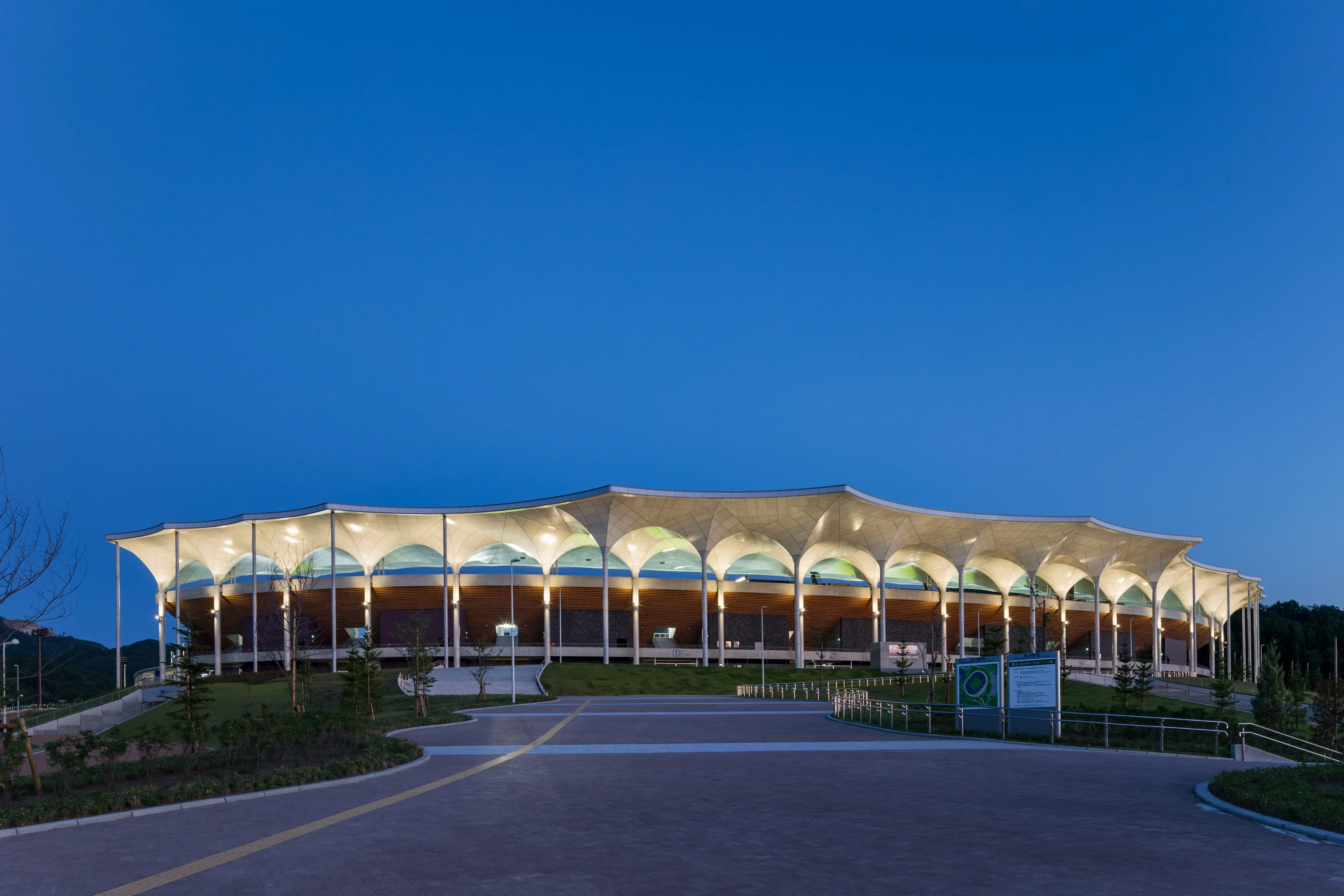
These are representative examples of modern large-scale architecture, constructed using concrete reinforced with NEG’s alkali-resistant glass fiber. In recent years, significant changes have also occurred in the social environment surrounding architecture. Three major trends are highlighted below.
Increasing Height and Scale of Buildings
As the global population becomes increasingly concentrated in urban areas, buildings are becoming taller and larger to make effective use of limited urban land (Nature). This trend has been particularly pronounced in Asia from the 1990s through the 2010s.
In high-rise buildings, the performance of structural materials directly affects safety and construction efficiency. As a result, there is a growing demand for building materials that are lighter yet stronger than ever before.
Renewal of Aging Infrastructure
In Japan, the deterioration of infrastructure developed during the period of high economic growth has become a serious social issue. According to the Ministry of Land, Infrastructure, Transport and Tourism, approximately 75% of road bridges and 52% of tunnels are expected to be over 50 years old by 2040.
Infrastructure structures exist throughout the country, and even routine inspections and maintenance require significant costs. As these structures are renewed and repaired, there is an increasing need for durable building materials that can reduce maintenance burdens.
Growing Demand for Uniqueness and Aesthetic Quality in Architecture
In recent years, the construction industry has placed increasing importance not only on functionality and constructability, but also on design and originality. Large urban mixed-use complexes, for example, often serve as symbolic landmarks that express regional identity.
As a result, architects are now expected to pursue greater design freedom, and materials that enable flexible design—such as freedom in form, lightness, material texture, and curved designs—are increasingly being selected.
Why Alkali-Resistant Glass Fiber is Needed in Building Materials
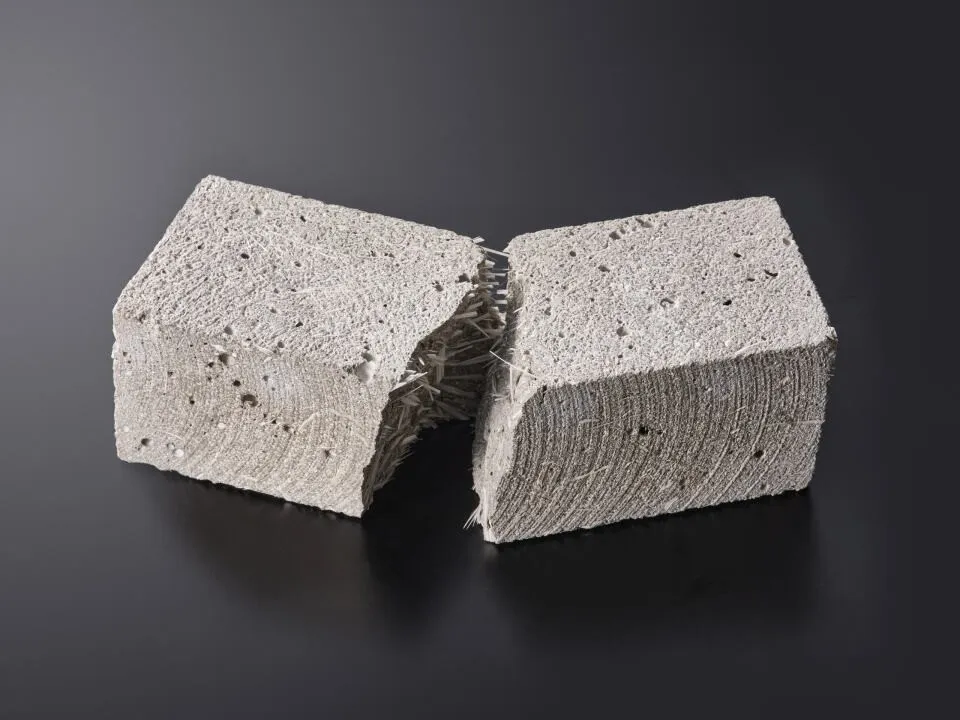
In response to these changing architectural needs, alkali-resistant glass fiber has gained attention as a construction material. Here, we explain its value from two perspectives: reinforcement performance and environmental impact reduction.
Reinforcement Performance of Building Materials
By mixing alkali-resistant glass fiber into conventional building materials, structural reinforcement becomes possible. Four key reinforcement effects are highlighted below:
1. Crack Prevention
Cracking is a major factor that shortens the lifespan of concrete structures. While concrete is strong in compression, it is prone to fine cracks caused by drying and temperature changes.
When alkali-resistant glass fiber is mixed into concrete, the fibrous glass bridges cracks and suppresses their propagation. As a result, the overall durability of the structure is improved.
2. Weight Reduction
Compared with conventional metal reinforcement materials such as steel bars and steel members, alkali-resistant glass fiber has a lower density and is significantly lighter.
By incorporating alkali-resistant glass fiber into building materials, the required reinforcement weight can be reduced while maintaining strength comparable to metal reinforcement. Lighter materials allow for increased truck loads during transport, reducing the number of deliveries. This directly lowers transportation costs and improves work efficiency by reducing handling and installation burdens on-site.
3. Enhanced Strength
Alkali-resistant glass fiber has exceptionally high tensile strength. When mixed into concrete, it enhances material strength by functioning as a load-sharing reinforcement that disperses external forces. This improves both bending strength and impact resistance.
4. Improved Durability (Extended Service Life)
Alkali-resistant glass fiber offers excellent corrosion resistance and heat resistance, helping to suppress material degradation. In addition, fine fibers disperse stress concentrations, enabling building materials to maintain their shape and performance over long periods.
Although concrete reinforced with alkali-resistant glass fiber tends to have a higher initial cost than conventional concrete, its superior durability significantly reduces long-term maintenance costs.
Reducing Environmental Impact
Using alkali-resistant glass fiber as a reinforcement material improves tensile strength and bending resistance, allowing the required amount of concrete to be reduced while maintaining equivalent structural performance.
Because cement—the main component of concrete—emits large amounts of CO₂ during manufacturing due to chemical reactions and fuel combustion, it is a major contributor to greenhouse gas emissions in the construction sector. Reducing cement usage directly lowers CO₂ emissions at the production stage.
A Material that Enables Next-generation Architecture
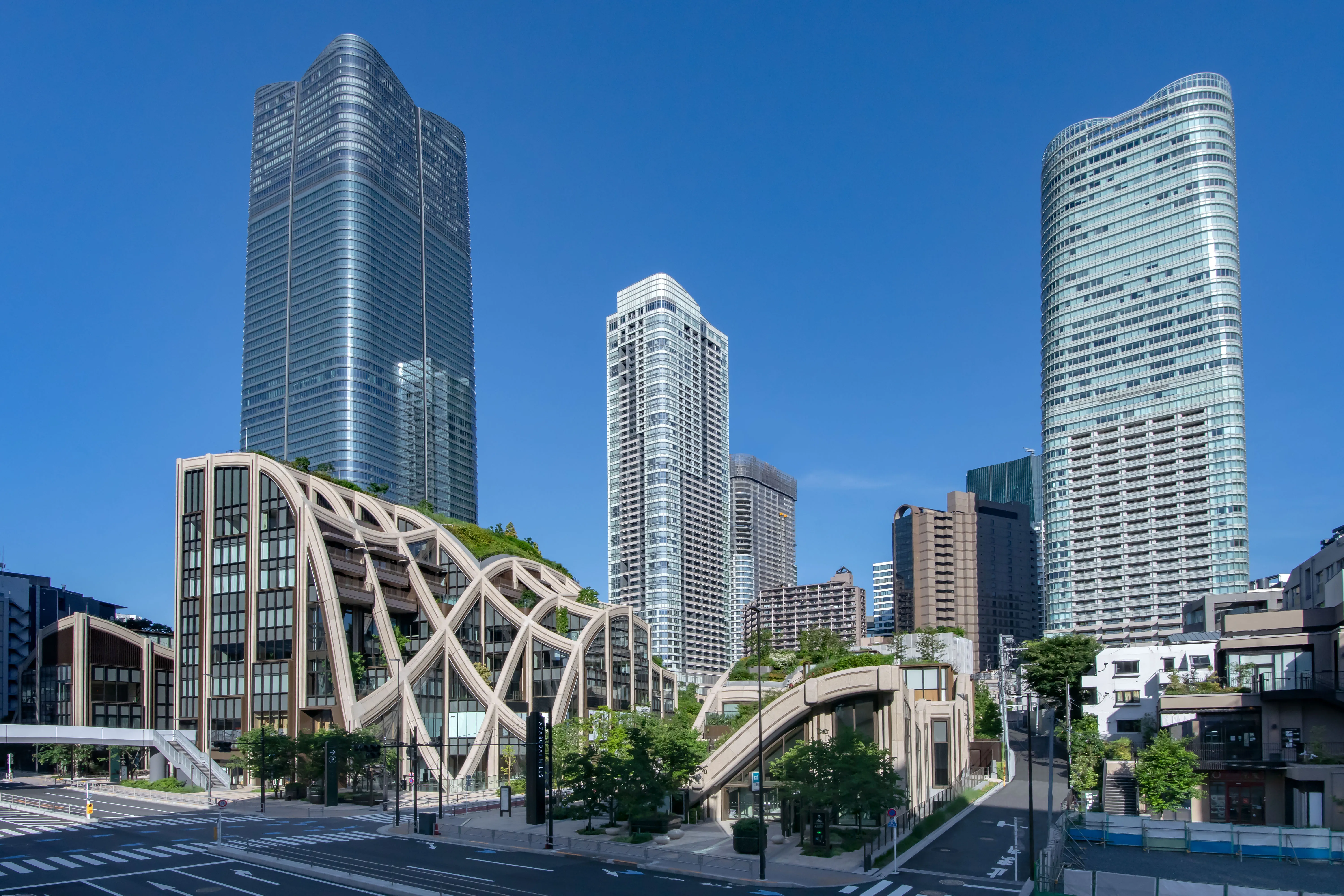
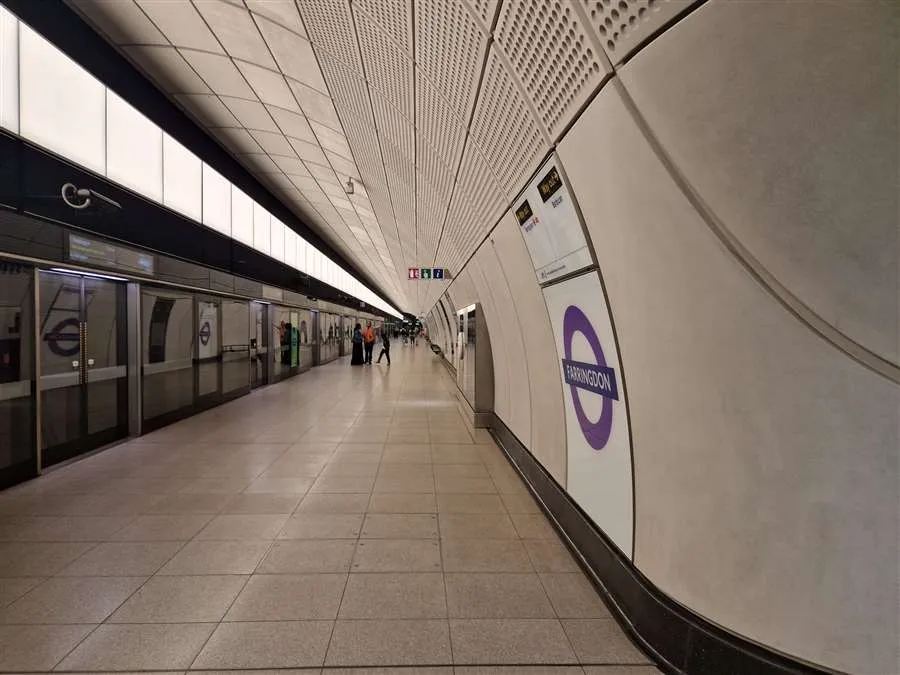
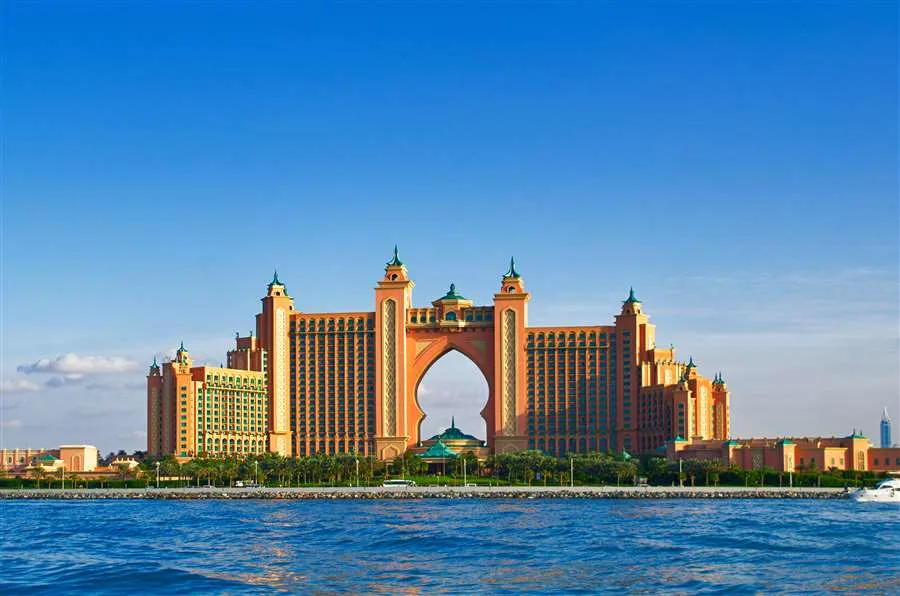
Glass fiber is widely used in fields such as automotive components and building materials due to its lightweight and high-strength properties. Among these, alkali-resistant glass fiber is increasingly adopted as concrete reinforcement in next-generation urban architecture.
NEG’s alkali-resistant glass fiber WizARG™ plays a critical role in shaping distinctive architectural exteriors. Many curved building facades consist of panels with unique shapes, requiring GRC components to be individually manufactured.
GRC containing WizARG™ maintains sufficient strength even when molded into thin sections, enabling highly flexible curved designs. This makes it possible to realize exterior designs that were difficult to achieve with conventional formwork.
WizARG™ is available in a wide range of variations in hardness, flexibility, and thickness, supporting applications from GRC panels to crack prevention in concrete. By reducing material thickness and weight, it can also be used in large-span* ceilings.
-
large-span: an architectural technique that creates wide, open spaces by increasing the distance between columns
What is WizARG™, Alkali-Resistant Glass Fiber?
WizARG™ is NEG’s proprietary alkali-resistant glass fiber, containing a high concentration of zirconia in its glass composition. It offers excellent alkali resistance and acid resistance, making it ideal for concrete applications.
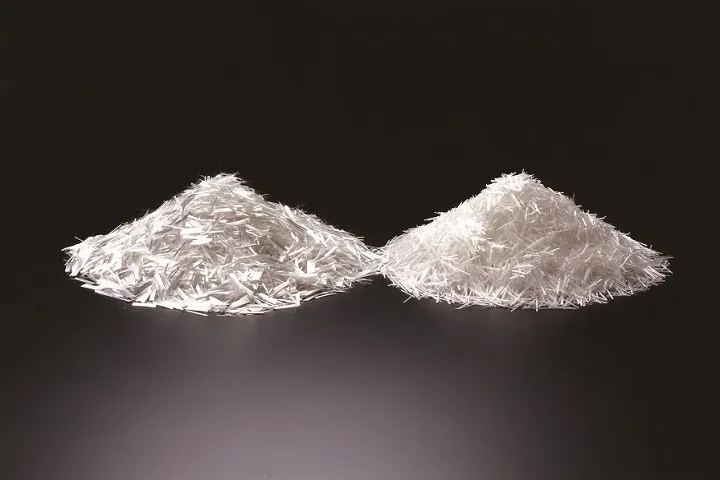
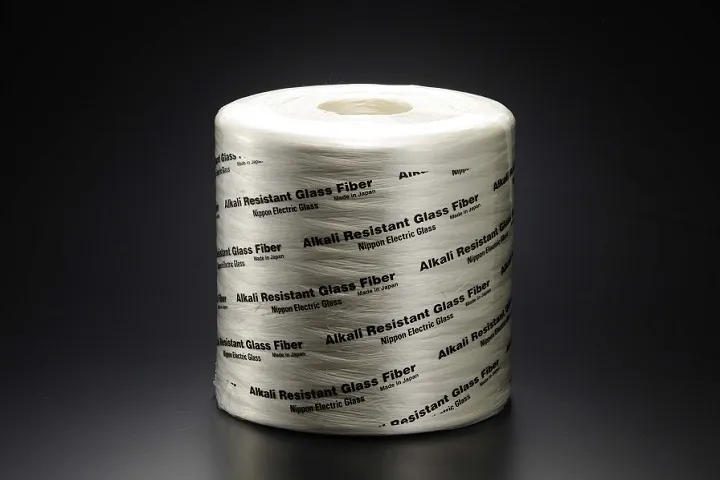
WizARG™ is available in the following four forms, depending on the application:
Chopped Strands
Bundles of glass filaments cut into short lengths. Used as reinforcement for GRC and calcium silicate products, and effective for suppressing cracking in mortar and concrete. → Product information
Roving
Strands consisting of 100–200 glass filaments bundled together and wound into cylindrical packages. Suitable for hand-spray and mass-production GRC processes and widely used in large-area building materials such as exterior wall panels. → Product information
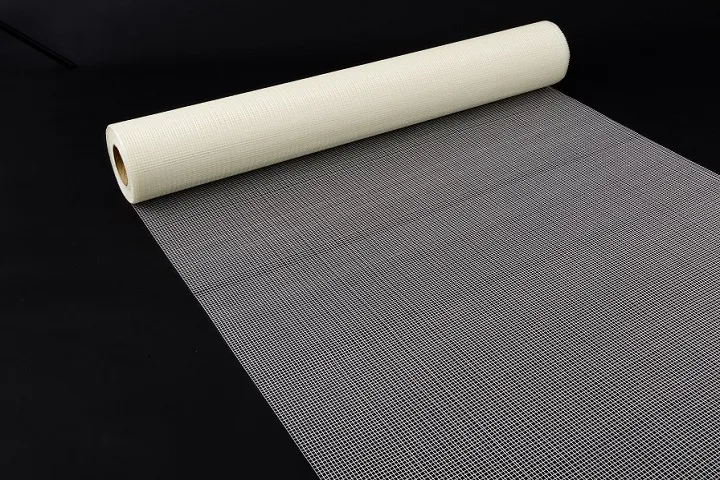
Scrim
A mesh woven from glass strands. Used as reinforcement in plaster-finished mortar and GRC, providing crack suppression and preventing material detachment. → Product information
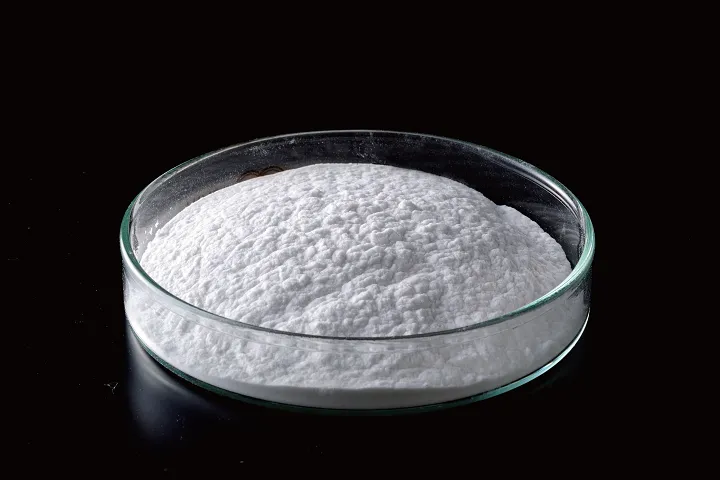
Milled Fiber
Finely ground glass fiber with lengths of several tens to hundreds of micrometers. Used as a viscosity control agent in specialty coatings requiring high alkali and heat resistance. → Product information
Sustaining Architectural Expression and Durability
As introduced above, NEG’s alkali-resistant glass fiber WizARG™ has been adopted worldwide in architectural and civil engineering applications for over 40 years. It has contributed to solving various challenges, including weight reduction in high-rise buildings, improved durability in bridge and tunnel repairs, decarbonization, and extended service life.
Next time you walk through a city, take a moment to look up. If you see curved facades, thin walls, or light, elegant architectural forms, alkali-resistant glass fiber WizARG™ may be working behind the scenes.
As a material that enhances urban landscapes while protecting everyday life, NEG continues to support the future of society—often in ways that remain unseen.