Started Shipping Samples of Heat-Resistant All-Solid-State Sodium-Ion Secondary Batteries
The World’s Widest Operating Temperature Range, Targeting Space and Semiconductor Applications
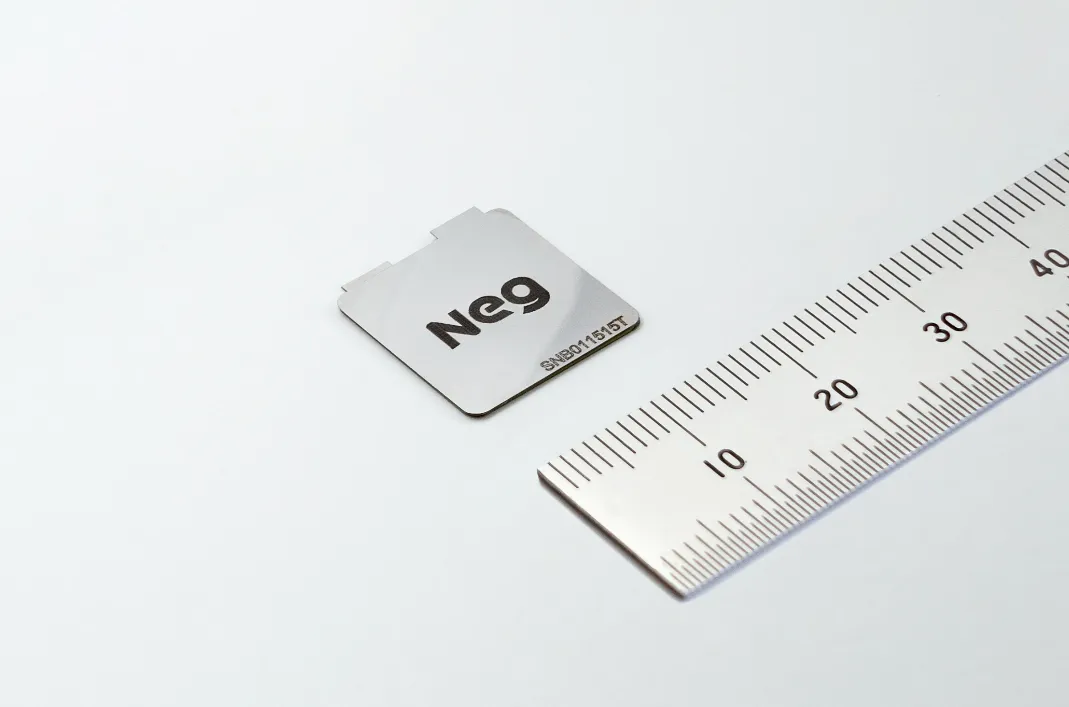
Nippon Electric Glass Co., Ltd. (Headquarters: Otsu, Shiga, Japan; President: Akira Kishimoto; hereinafter referred to as “NEG”) has started sample shipments of heat-resistant all-solid-state sodium-ion secondary batteries (hereinafter referred to as “NIBs”) that are operable over the temperature range of -40°C to +200°C, the world’s widest operating temperature range of secondary batteries.
NEG’s NIBs are attracting attention for their wide operating temperature range and safety features, such as the absence of ignition and gas generation risks, in various fields, including space applications, semiconductor manufacturing processes, and medical and environmental equipment. This sample shipment is NEG’s important step to meet these needs swiftly and promote the development of application areas that conventional secondary batteries have not been able to accommodate.
Existing secondary batteries face challenges such as electrolyte freezing at low temperatures and the deterioration of internal materials due to side reactions at high temperatures. Notably, this high-temperature issue also occurs in conventional all-solid-state batteries, which do not use liquid electrolytes. Therefore, even with sulfide-based all-solid-state batteries, which are being widely studied, it is not easy to expand the upper operating temperature limit.
In contrast, NEG’s NIBs have the positive electrode, negative electrode, and solid electrolyte that are all made of crystallized glass, making them highly resistant to freezing at low temperatures and deterioration at high temperatures. In addition, they do not pose any risk of ignition or gas generation. Furthermore, to maximize these features, NEG has developed a heat-resistant package utilizing glass sealing technology. Glass sealing is one of the most reliable technologies, with a proven track record in various fields, such as automotive, home appliances, and communications. This is the first time the technology has been applied to battery packaging.
NIBs using the heat-resistant package can operate in high-temperature environments up to 200°C and can be designed to meet the needs of even temperature ranges exceeding 200°C. In addition, a high temperature environment promotes the movement of ions within the battery, enabling ultra-fast charging and discharging that is not possible at room temperature. NEG’s NIBs can achieve high-speed charging and discharging at a 20C rate*1 in a 200°C environment. Moreover, the package using glass sealing technology maintains high airtightness even at high temperatures, preventing moisture from entering the battery and thereby providing excellent charge-discharge cycle characteristics.
-
C rate: A unit of measure for the current during charging or discharging. 1C is defined as the current that fully charges (or discharges) the battery in one hour, and 20C represents a current 20 times that amount (i.e., a current that enables charging or discharging to be completed in three minutes).
NEG is actively pursuing the commercialization of all-solid-state sodium-ion secondary batteries and aims to expand their application range through this sample shipment.
Features of the heat-resistant NIB operable at 200°C
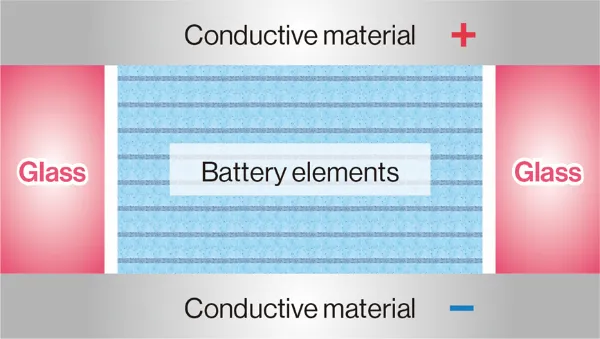
Package structure:
Glass sealing technology provides high airtightness.
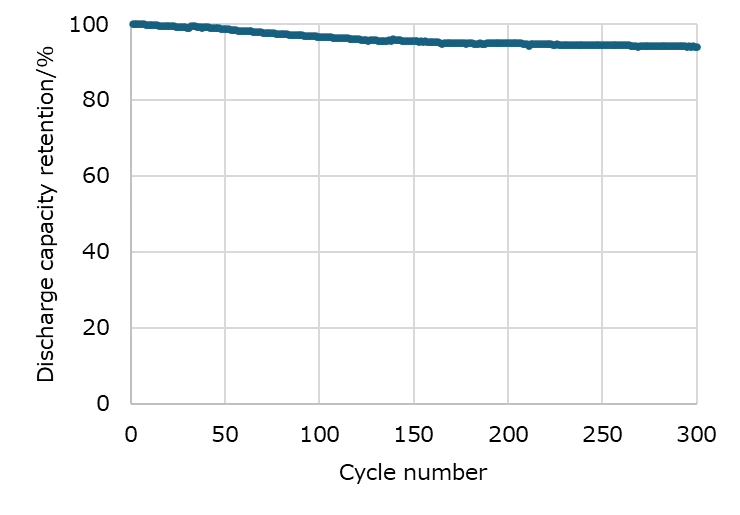
Results of charge-discharge cycle test at 200°C
It has excellent charge-discharge cycle characteristics even in a high-temperature environment of 200°C.
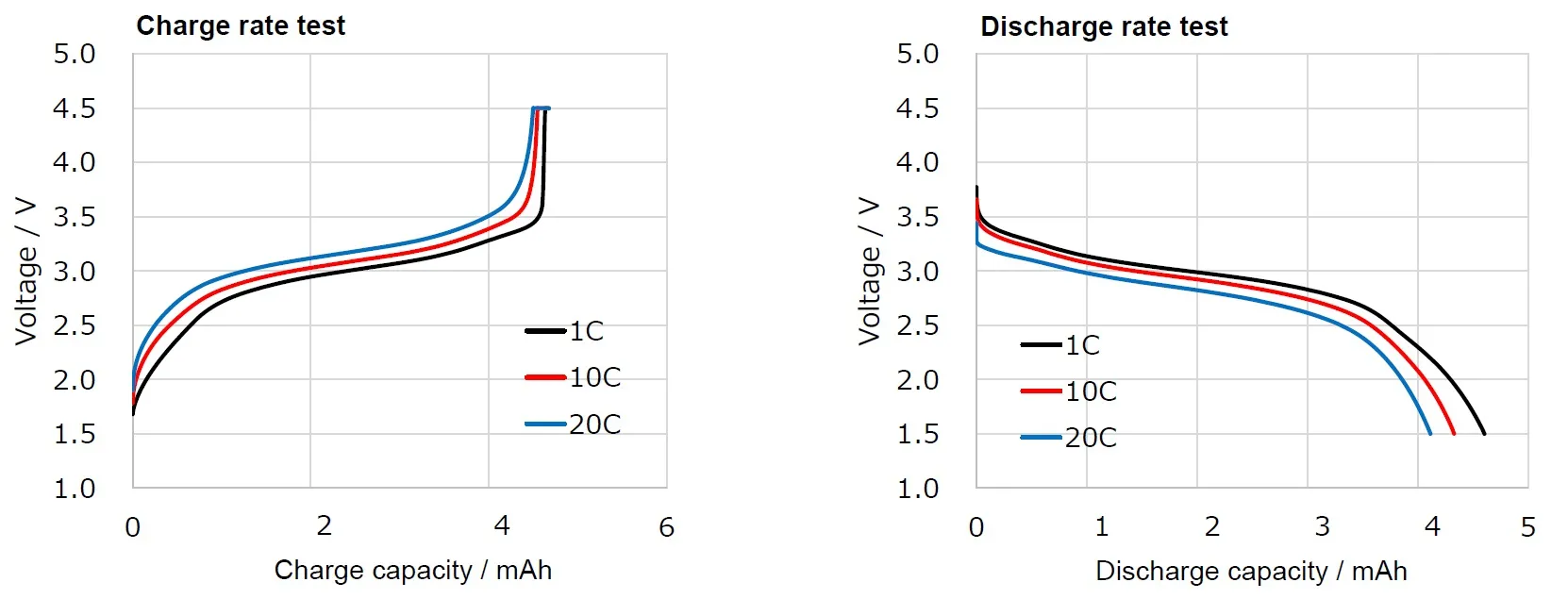
200°C
Voltage range: 1.5 to 4.5 V
Charging conditions: 1C-CCCV
Discharging conditions: 1C
Results of high-speed charge-discharge test at 200℃
Capable of high-speed charge and discharge at 20C in a high-temperature environment of 200°C
-
Charge curves obtained from performing 4.5V-CCCV charging at different rates from a discharged state
-
Discharge curves obtained from performing 1.5V-CC discharging at different rates from a charged state
Overview of heat-resistant NIBs
| Battery 1 (SNB011515T) |
Battery 2 (SNB015050T) |
||
|---|---|---|---|
| Size | Length (mm) | 16 | 60 |
| Width (mm) | 15 | 50 | |
| Thickness (mm) | 1 | 1 | |
| Weight (g) | 0.7 | 5 | |
| Nominal voltage (V) | 2.9 | 2.9 | |
| Nominal capacity (mAh) | 0.4 | 4 | |
| Charge (CCCV) | Upper voltage limit (V) | 4.5 | 4.5 |
| Temperature range (℃) | 0 to +200*2 | 0 to +200*2 | |
| Discharge (CC) | Discharge cutoff voltage (V) | 1.5*3 | 1.5*3 |
| Temperature range (℃) | -40 to +200*2 | -40 to +200*2 | |
-
Can also operate at temperatures above 200°C. Short-term use at 300°C is possible.
-
Since the battery uses materials resistant to over-discharge, it does not deteriorate even if it is discharged to 0 V.
Features of NEG’s NIBs
| 3 V and long life | NEG’s NIBs operate at a practical voltage level of 3 V. The long-life batteries have been realized by firmly integrating the solid electrolyte with the electrodes using NEG’s unique technology. |
| Operating temperature range -40℃ to 200℃ | NEG’s NIBs enable the operation of industrial equipment and the transfer of large volumes of data even in harsh environments such as low temperatures, high temperatures, and vacuum conditions. *The heat-resistant package allows operation even at high temperatures exceeding 100°C (up to 200°C). |
| No risk of ignition or toxic gas generation | NEG’s NIBs use solid oxides with excellent safety characteristics. Since no liquid electrolyte is used, there is no risk of ignition. Also, there is no risk of toxic gas generation due to the absence of sulfides, chlorides, and fluorides. |
| Rare element-free | No rare metals, such as lithium, nickel or cobalt, are used. |
| High flexibility in battery design | The design flexibility is high due to the ease of integration, as well as high adaptability to large-area or high-capacity applications. |
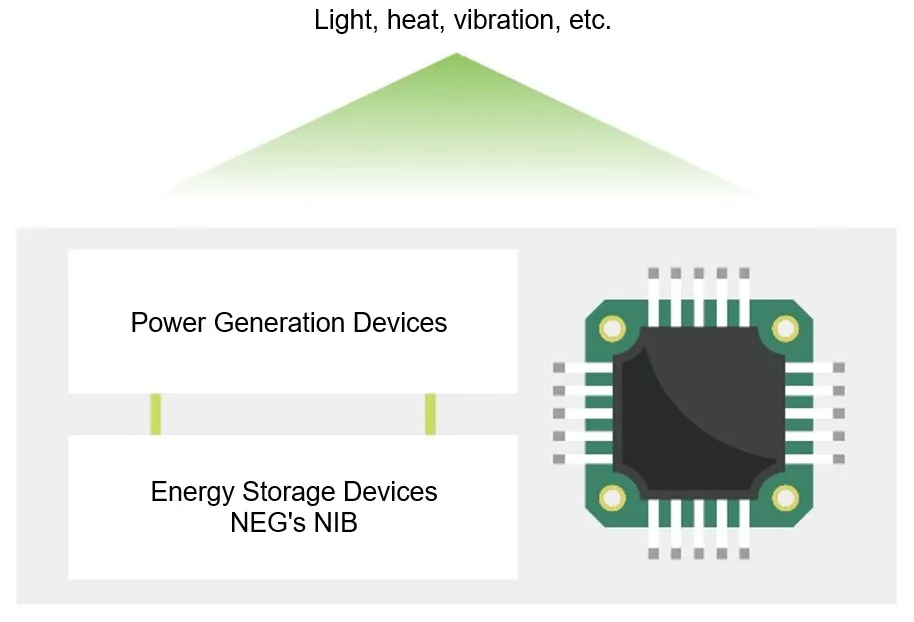
| Chargeable with a low current | Charging at a low speed (low rate) is possible. Maintenance-free power generation and storage systems can be achieved by combining the NIBs with energy harvesting technology (which converts very small amounts of energy into electricity for use). |
| High over-discharge resistance | Since NEG’s NIBs use materials resistant to over-discharge, they do not deteriorate even if they are discharged to 0 V. |
Expected applications of NEG’s NIBs
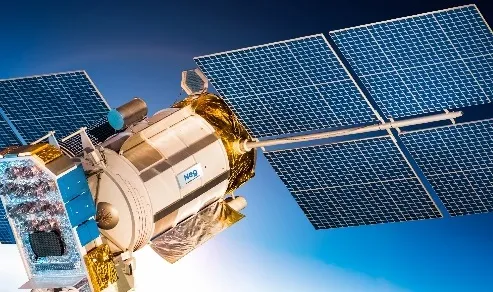
Use in harsh conditions, such as space (vacuum × low temperature), marine (high pressure × low temperature), and medical (high temperature) environments
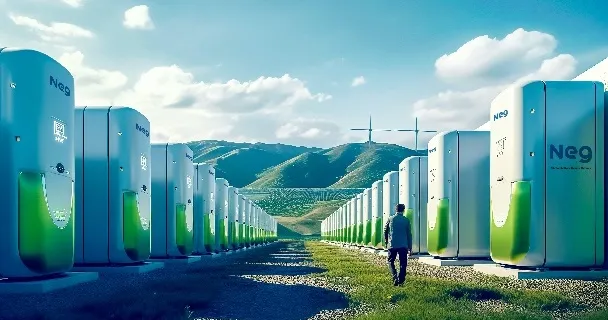
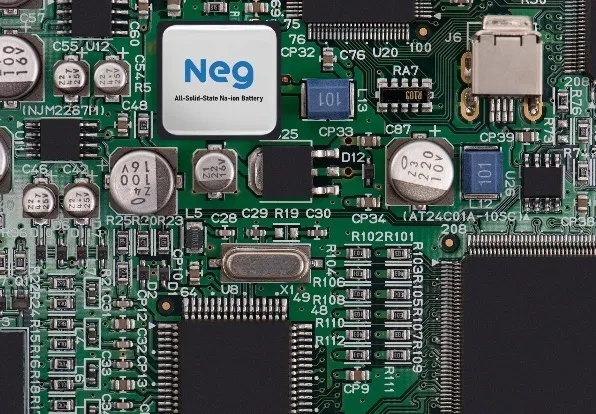
Batteries for electronic equipment, mobility applications, and stationary use that require high levels of safety and battery design flexibility


-
All photos are for illustrative purposes only.
About Nippon Electric Glass
Nippon Electric Glass Co., Ltd. is a world-class specialty glass manufacturer headquartered in Otsu City, Shiga Prefecture, Japan. Specialty glass that creates novel functionality is transformed into products in various forms, such as sheets, tubes, threads, and powders, and is utilized across a wide range of fields, including semiconductors, displays, automobiles, electronic devices, medical care, and energy. The specialty glass developed based on the technology and track record honed over the company’s 70-year history is highly regarded in a broad spectrum of areas, from everyday applications to cutting-edge industrial uses.
Company name: Nippon Electric Glass Co., Ltd.
Head office: 7-1 Seiran 2-chome, Otsu, Shiga 520-8639, Japan
Representative: Akira Kishimoto, President and Representative Director
Founded: December 1949
URL: https://www.neg.co.jp/en/