Consideration for the Environment
Basic Policy
We regard consideration for the environment as one of our core values. Our business operations have long been guided by a strong awareness of environmental responsibility, as glass production requires significant natural resources, including raw materials, energy, and water, while also generating CO2 emissions, waste, and wastewater.
Water stewardship is a particular priority given that many of our manufacturing facilities are located near Lake Biwa. We recognize both our dependence on water and the impact of our discharge on local communities. Accordingly, we implement ongoing measures to reduce environmental impact, including lowering water consumption, ensuring appropriate wastewater treatment, and securing sustainable water resources.
We also recognize that lean manufacturing delivers both economic and environmental benefits. By improving operational efficiency, we reduce resource use and contribute to biodiversity conservation, which we further support with targeted initiatives to protect and sustain ecosystems. We will continue to promote environmental stewardship and work toward harmonious coexistence with the natural environment in the communities where we operate.
Water Management
Recognizing the fundamental importance of water to our business, we introduced the Water Business Plan in fiscal 2003 to promote the effective and efficient use of water. We view water usage not only as an environmental concern but also as an indicator of our manufacturing sophistication. Our water management efforts help us better understand and optimize the glass melting, forming, and processing operations, leading to continuous technological and facility improvements.
Rising demand for water worldwide, driven by population growth and economic development, together with challenges such as water shortages, resource depletion, and pollution, has made access to stable, high-quality water an increasingly important management issue at our overseas sites. We are addressing these challenges through coordinated global initiatives.
Recognizing that water conditions vary by location, we conduct risk assessments at each site to evaluate water-related issues, including potential supply restrictions due to natural disasters or extreme weather, as well as applicable regulatory requirements. Risks are assessed using the World Resources Institute’s Aqueduct Water Risk Atlas. At our sites identified as high risk, we implement measures to reduce water consumption and secure stable water supplies.
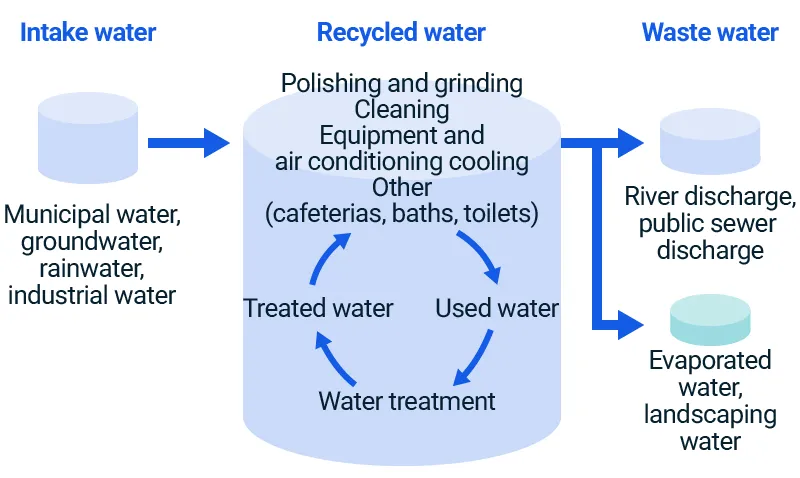
Glass manufacturing requires substantial water use, particularly for cooling during melting and forming processes and for cleaning during production. We classify water use into three categories: intake water (water brought into our facilities), wastewater (water discharged externally), and recycled water (water reused internally). Based on this framework, we implement measures to reduce both water consumption and discharge, and establish key indicators for total water intake and wastewater intensities. Our water management practices include thorough recycling of water used within our facilities, appropriate treatment of wastewater using on-site treatment systems, and regular water quality testing based on internal standards that exceed regulatory requirements. In fiscal 2025, our water recycling efforts remained highly effective, with recycled water accounting for 98% of our total water usage.
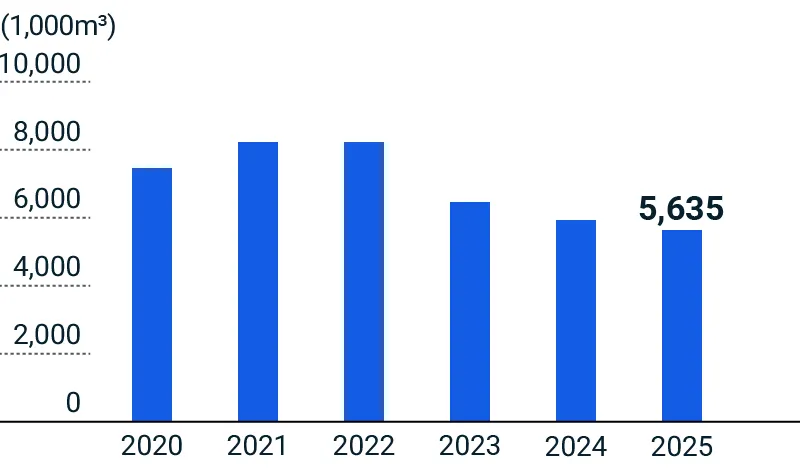
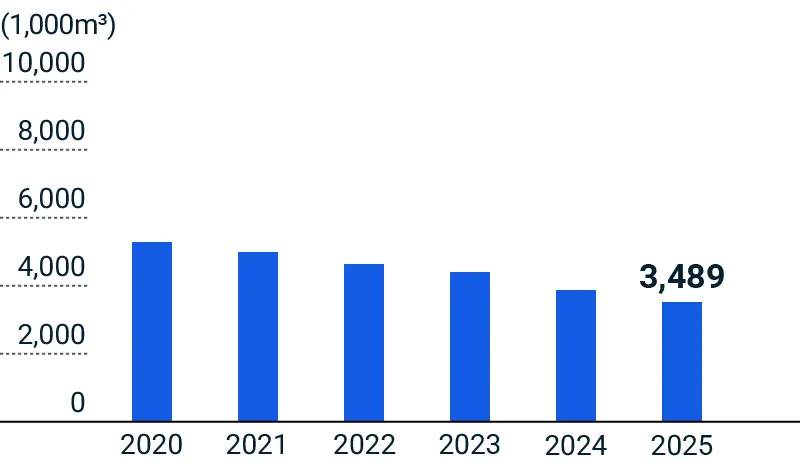
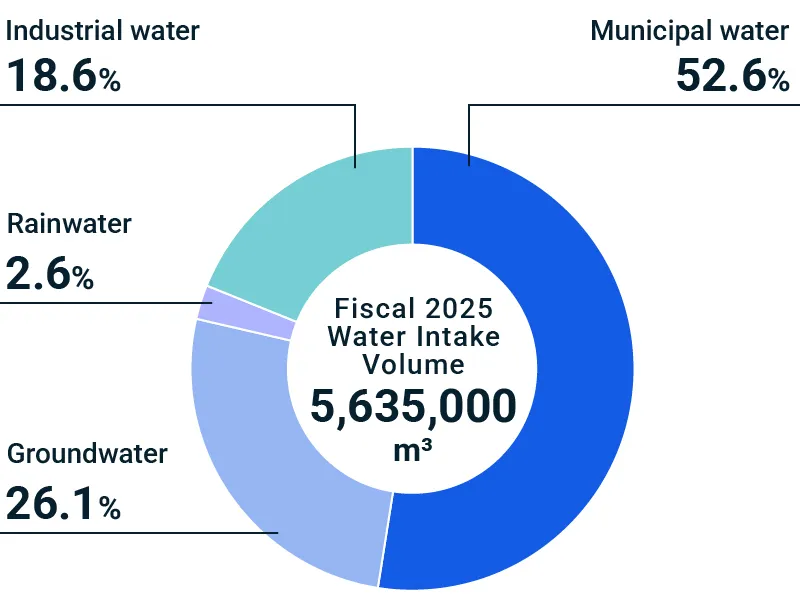
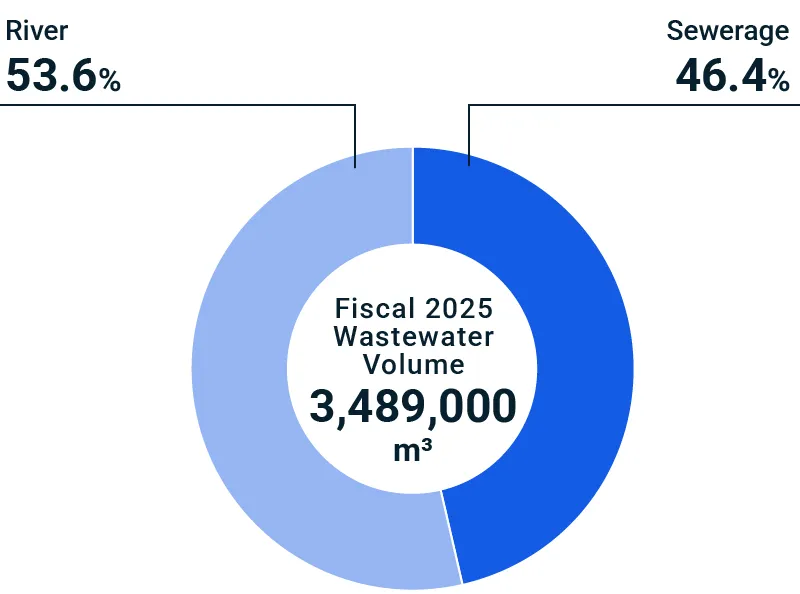
Water Intake and Wastewater Management
Each year, we formulate site-specific water reduction plans based on local water conditions and reduction efforts. To ensure the highest level of water-use efficiency, we monitor and set intensity indicators for both water intake and wastewater discharge, using the metric of cubic meters per ton of product sold (m³/ton).
Management’s commitment to enhancing water use efficiency has led to a steady decline in water intensity within our displays business since 2014. This follows a successful reversal of the rise in water intensity that occurred during the transition from CRTs to LCDs in 2004.
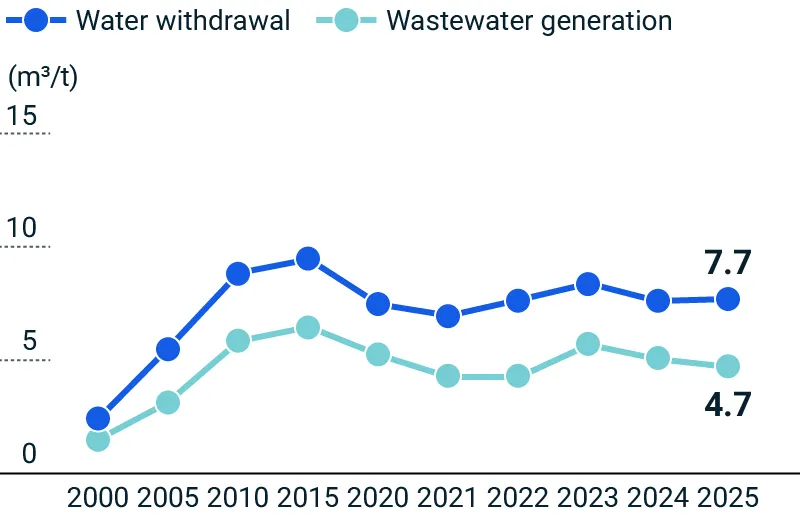
In fiscal 2025, the water intake intensity per unit of sales by weight across all business divisions in Japan and overseas was 7.7 m³/ton. Water discharge intensity was 4.7 m³/ton, remaining essentially unchanged from the previous fiscal year. Taking into account changes in our product mix, we have set fiscal 2026 targets of 7.8 m³/ton for water intake intensity and 5.3 m³/ton for water discharge intensity, while continuing to actively promote initiatives to reduce water usage. The Environmental Management Committee reviews reports and deliberates on these measures, while the Sustainability Committee oversees and monitors their progress.
To sustainably use valuable water resources, we actively promote the reuse of water in high-volume stages, such as cooling during melting and forming, as well as cleaning during processing. Additionally, we are minimizing water intake and wastewater generation for other applications by implementing cascading strategies tailored to the specific purposes and quality requirements of water use, alongside recycling water through purification methods.
Biodiversity Conservation
We view the pursuit of lean manufacturing as both economically beneficial and environmentally responsible, and as an important contributor to biodiversity conservation. We also actively promote initiatives that support biodiversity, including efforts to maintain local natural forests and participation in forest conservation activities around our manufacturing facilities in the Lake Biwa region.
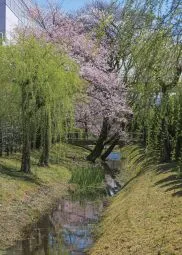
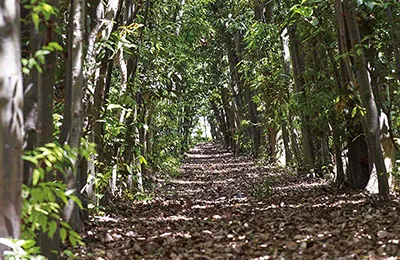
We are committed to the principle of leaving nature untouched, except for areas that necessarily must be used for our business operations. The Notogawa Plant maintains natural forests with native vegetation and has always carefully preserved streams near its facilities. The plant also grows flowers in a greenhouse inside the plant, which it uses to beautify the local community.
Forests play a vital role supporting the ecosystem, including nurturing the water supply of Lake Biwa, providing habitats for numerous animals and plants, and maintaining biodiversity. We support forest stewardship activities by regularly purchasing J-Credits and joining volunteer maintenance programs led by the local forestry cooperative. In 2021, in collaboration with the local government, we signed the Lake Biwa Carbon Credit Partner Agreement with the Shiga Prefecture Afforestation Public Corporation, a general incorporated association led by governor Taizo Mikazuki.
We support the Shiga Prefectural Lake Biwa Floating School Program, which promotes nature and biodiversity conservation and provides environmental education, as well as the Lake Biwa Museum. We also endorse the Shiga Biodiversity Strategy 2024 and engage in a range of initiatives, including the conservation and cleanup of riverside forests near our facilities, activities we have continued for more than half a century. Through these activities, as well as by being part of the Shiga Nature Positive Network hosted by Shiga Prefecture, we seek opportunities to work together with local communities as a way to deepen our connections and mutual understanding.
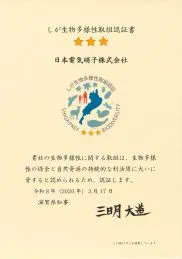
These ongoing efforts earned us the highest three-star rating once again in fiscal 2025 under the Shiga Prefecture Biodiversity Initiative Certification System.